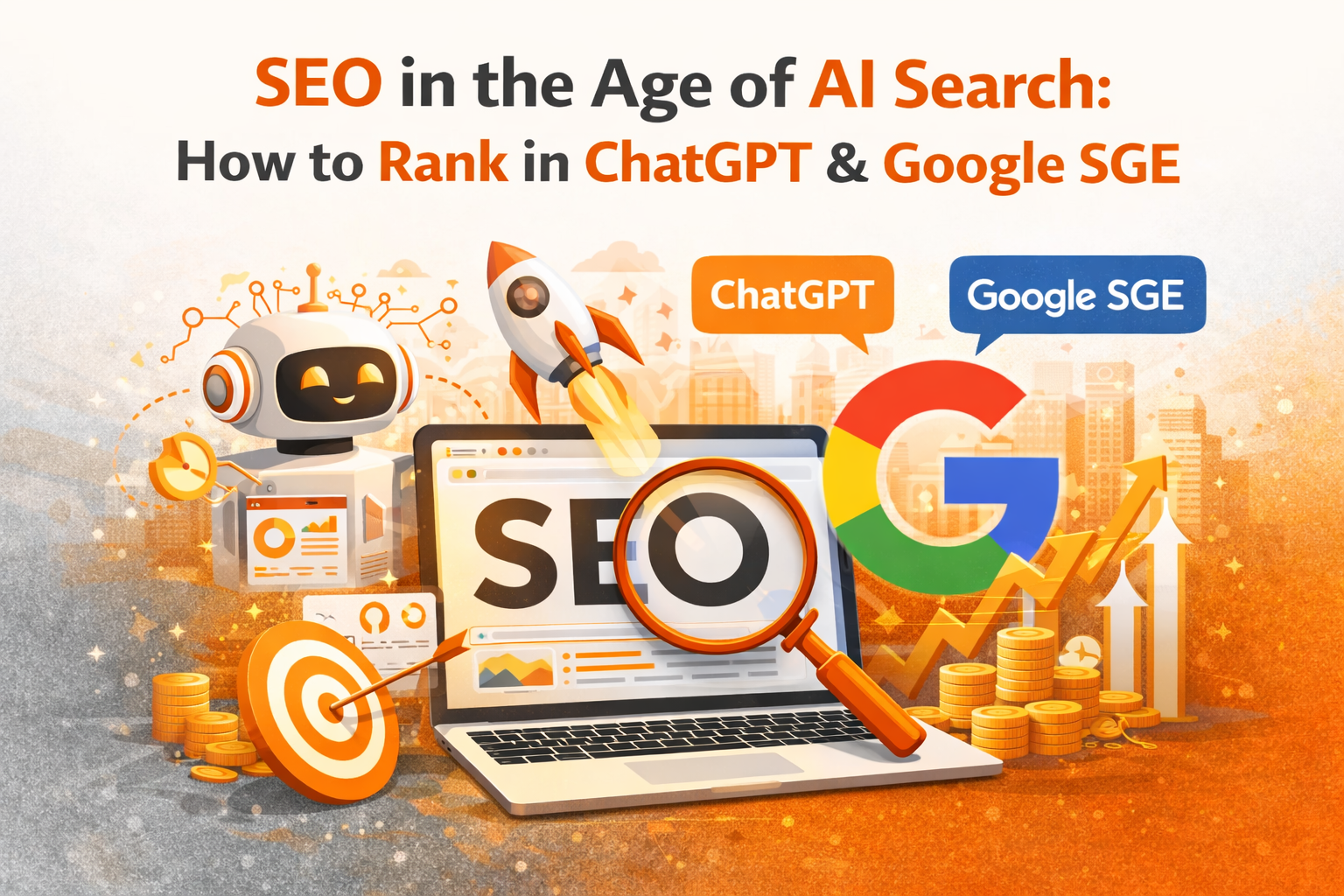
The digital marketing landscape is undergoing its most significant transformation since the invention of the backlink. As artificial intelligence redefines how users find information, the concept of SEO in AI search has moved from a futuristic concept to a present day necessity. Traditional search engine results pages (SERPs) are being replaced by AI-generated summaries and conversational interfaces like ChatGPT and Google Search Generative Experience (SGE).
To stay visible, brands must evolve. It is no longer enough to rank #1 on a list of links; you must now aim to be the “source of truth” for the AI models themselves. This requires a triple threat strategy: Search Engine Optimization (SEO), Answer Engine Optimization (AEO), and Generative Engine Optimization (GEO).
Understanding the Shift: What is SEO in AI Search?
For decades, SEO was about keywords and backlinks. While those still matter, SEO in AI search focuses on “contextual relevance” and “entity based authority.” AI search engines don’t just look for words; they look for answers.
When a user asks a question, Google SGE or ChatGPT synthesizes data from across the web to provide a single, cohesive response. If your content isn’t structured to be easily parsed by these Large Language Models (LLMs), your brand simply won’t be cited as a source.
The Rise of AEO and GEO
While foundational Search Engine Optimization remains the bedrock of online visibility, two new pillars have emerged to support AI-driven discovery:
- AEO (Answer Engine Optimization): This focuses on providing direct, concise answers to specific user queries. Think of it as optimizing for the “People Also Ask” boxes or voice search.
- GEO (Generative Engine Optimization): This is a newer discipline specifically designed to increase the visibility of content within generative AI responses. It involves using authoritative citations, statistics, and structured data that AI models prefer when “building” an answer.
Key Strategies for SEO in AI Search
To dominate the new search era, your content strategy must bridge the gap between human readability and machine understandability.
1. Prioritize Information Density and Citations
AI models prioritize content that is information rich. Instead of “fluff” or repetitive intro paragraphs, get straight to the point. SEO in AI search rewards content that includes:
- Unique Statistics: AI loves data points.
- Expert Quotes: Citing industry leaders builds “E-E-A-T” (Experience, Expertise, Authoritativeness, and Trustworthiness).
- Technical Accuracy: Ensure your facts are up-to-date, as AI models are increasingly trained to cross reference facts.
2. Leverage Structured Data and Schema Markup
Schema markup is the “language” of AI. By using technical SEO elements like Product, FAQ, and Organization schema, you help AI bots understand exactly what your page is about without them having to guess. This increases the likelihood of your content being pulled into a Google SGE carousel or a ChatGPT citation.
3. Focus on “Conversational” Long-Tail Keywords
People talk to AI differently than they type into Google. Instead of searching for “best digital marketing agency,” they might ask, “Which agency in India is best for performance marketing and ROI?” Optimizing for these natural language patterns is a cornerstone of SEO in AI search.
How to Rank in Google SGE (Search Generative Experience)
Google SGE is a layer on top of traditional search that provides an AI-generated summary at the top of the results. To appear in the SGE “snapshot,” follow these steps:
Optimize for the “Snapshot” Carousel
Google SGE often features a carousel of links to the right of the AI summary. To get there:
- Use Clear Headings: Ensure your H2s and H3s clearly answer the sub-questions of a topic.
- High-Quality Visuals: Include original images and infographics. AI engines often pull these into the visual components of SGE.
- Internal Linking: Strong site architecture helps bots crawl your site faster. This is a core component of our Search Engine Optimization, where we structure sites to answer complex user intents.
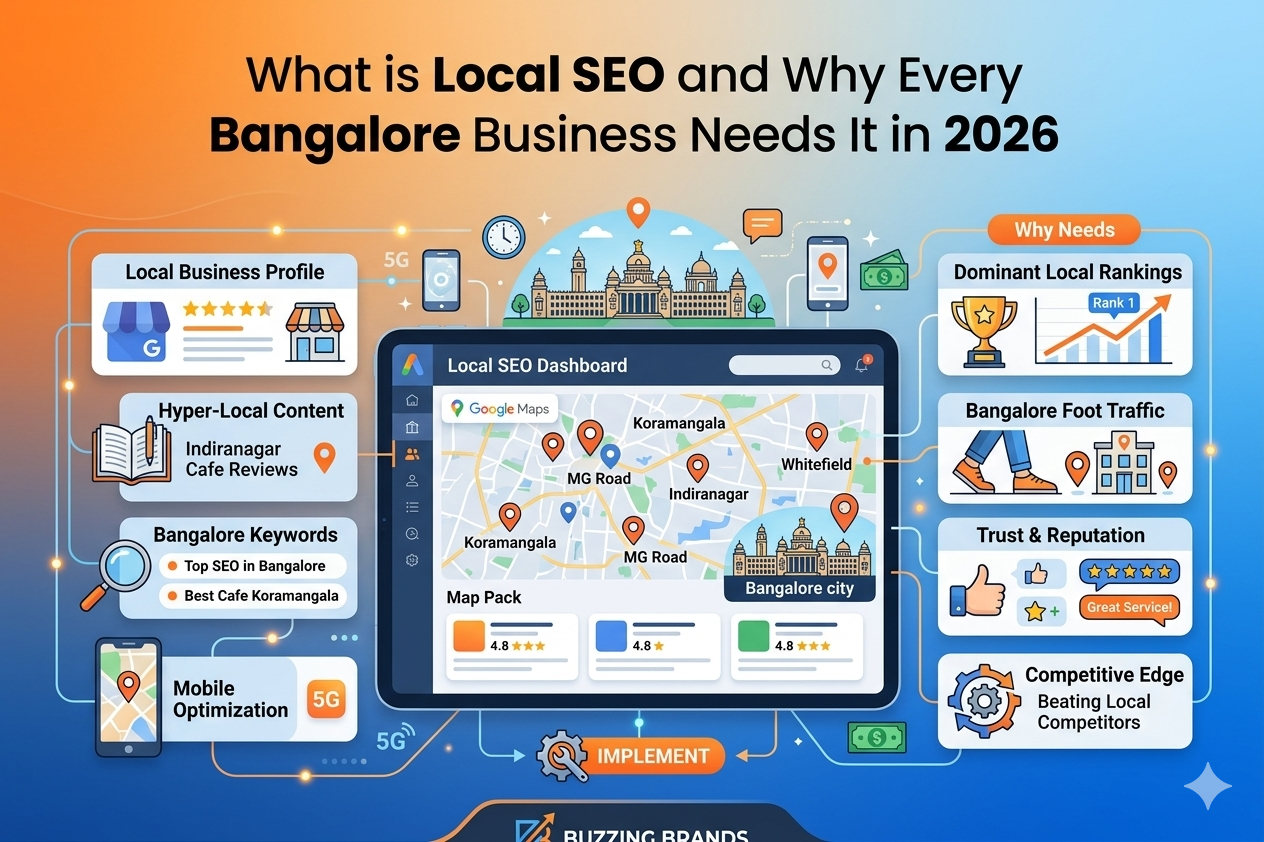
- Enhance Your E-E-A-T: Ensure author bios are detailed and linked to professional social profiles. This is especially vital for high-stakes markets. For instance, understanding what is Local SEO in Bangalore for 2026 requires a localized expertise that AI models specifically look for when verifying regional authority.
Google’s AI is specifically tuned to look for signs of human expertise. If you are writing about high stakes topics like healthcare or real estate, ensure your author bios are detailed and link to your professional social profiles.
Ranking in ChatGPT and Other LLMs
Unlike Google, which crawls the web constantly, ChatGPT and Claude rely on training data and specific “browsing” plugins.
Be the “Cited” Authority
When ChatGPT uses its “Browse with Bing” feature, it looks for sites that provide the most comprehensive answer to a prompt. To be the chosen source for SEO in AI search, your content should:
- Solve a Problem: Don’t just describe a topic; provide a step-by-step solution.
- Be Opinionated: AI models often look for “consensus” but value “expert perspectives.” Providing a unique take on an industry trend makes your content more “link-worthy” for an AI.
- Update Frequently: AI search engines are increasingly sensitive to “freshness.” An article from 2024 is more likely to be cited than one from 2022.
The Role of GEO (Generative Engine Optimization)
GEO is a specialized approach to SEO in AI search. Research suggests that specific “optimization” tweaks can improve your visibility in generative responses by up to 30%.
- Citations and References: Mentioning well-known brands or studies within your content helps the AI associate your page with high-authority entities.
- Quotations: Including direct quotes from relevant experts increases the “trust” score of your text.
- Statistics: Hard numbers are easy for AI to parse and replicate in a summary.
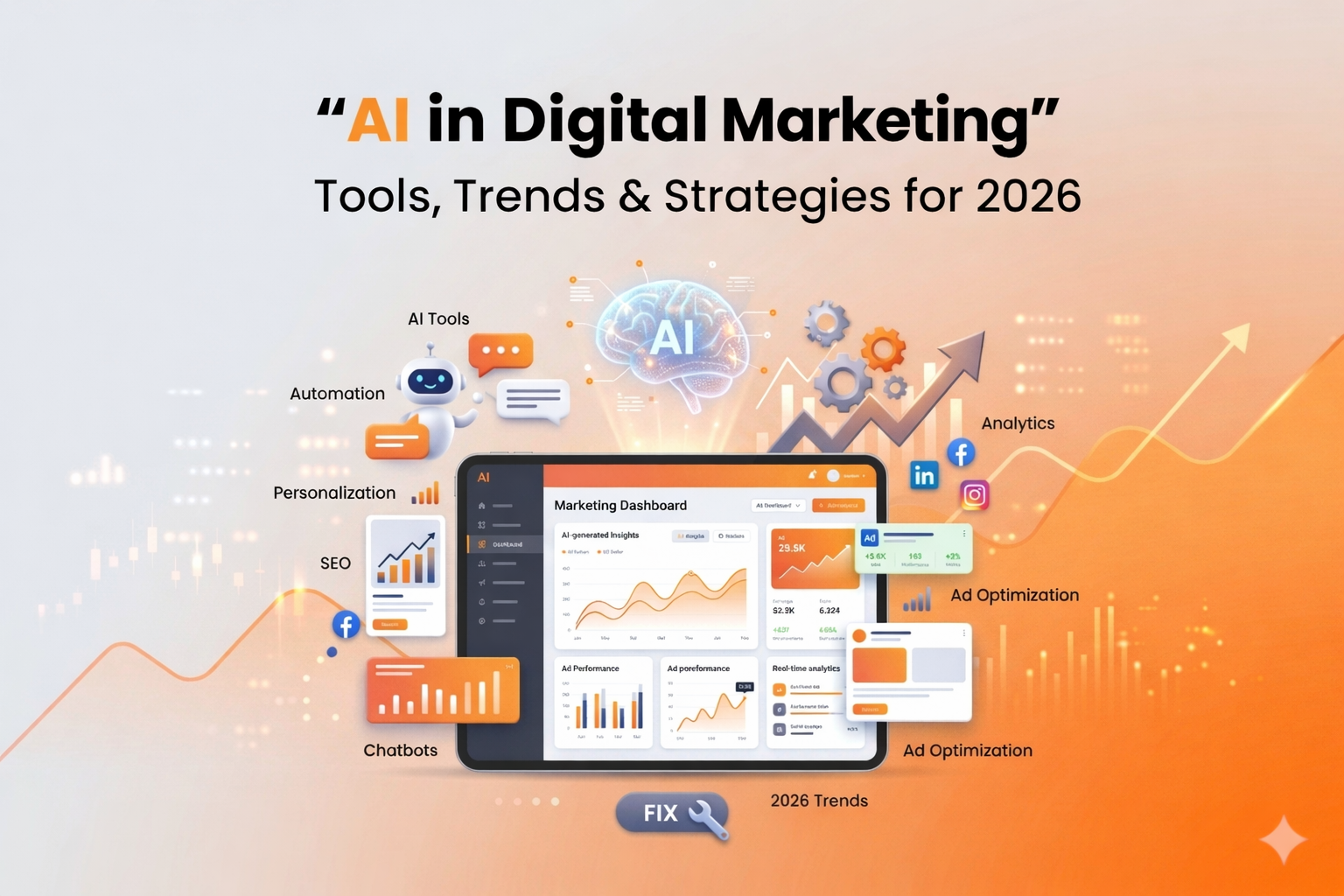
To see how these strategies apply to modern business, you can explore our insights on AI in digital marketing to understand the tools shaping the next year of search.
Future Proofing Your Website for 2026 and Beyond
The goal of SEO in AI search is to create a “virtuous cycle.” When your content is high quality, humans read it, search engines index it, and AI models cite it.
- Audit Your Existing Content: Go back to your top-performing blogs and add “Key Takeaway” sections at the top. This makes it incredibly easy for an AI to summarize your page.
- Monitor Your Analytics: Look for “AI Referral” traffic. Tools are beginning to emerge that show how many users arrived at your site via an AI mention.
- Experiment with Voice: As more people use AI through voice assistants, ensure your content sounds natural when read aloud.
Conclusion: Partner with Buzzing Brands for SEO in AI Search
The shift toward AI-driven search isn’t a hurdle; it’s an opportunity to establish your brand as an undisputed industry authority. However, navigating the complexities of SEO in AI search, from Google SGE snapshots to ChatGPT citations, requires a blend of technical precision and creative strategy.
At Buzzing Brands, we specialize in future proofing businesses for this new era. As a leading SEO company in Bangalore, we don’t just focus on traditional rankings. Our approach is holistic:
- AEO & GEO Integration: We optimize your content structure so that AI “Answer Engines” recognize and cite your brand.
- Data-Driven Content: We move beyond keywords to create information-dense, high-value content that resonates with both human readers and LLM algorithms.
- Technical Excellence: From schema markup to high-speed performance, we ensure your website is the ideal environment for AI bots to crawl and understand.
- Custom Strategy: Whether you are a startup in Bengaluru or an established enterprise in India, we tailor our AI-powered digital marketing to your specific growth goals.
The gap between brands that adapt to AI and those that don’t is widening. Let us help you bridge that gap and dominate the future of search.
Ready to transform your digital presence? Contact Buzzing Brands today and let our experts help you rank where it matters most.
FAQ: SEO in AI Search
What is the focus keyword for this strategy?
The primary focus keyword is SEO in AI search. It represents the shift from traditional search engine optimization to a model that includes AI-driven platforms like ChatGPT and Google SGE.
How does Google SGE differ from traditional Google Search?
Traditional search provides a list of links. Google SGE (Search Generative Experience) uses AI to provide a direct answer at the top of the page, synthesizing information from multiple sources.
What is GEO (Generative Engine Optimization)?
GEO is the process of optimizing content specifically to be included in generative AI responses. This involves using authoritative citations, specific statistics, and clear, structured headers.
Why is AEO (Answer Engine Optimization) important?
AEO ensures your brand provides direct, concise answers to user queries, increasing the chances of being featured in voice search results or AI-generated summaries.
How long does it take to see results with SEO in AI search?
While traditional SEO can take 3-6 months, AI-focused optimizations can often see traction in 2-4 months as AI models update their citations and browsing data more frequently.
How can Buzzing Brands help with AI search visibility?
We implement advanced schema markup, conversational keyword strategies, and high-authority content frameworks designed to make your brand the “preferred source” for AI search engines.